

26 Jun 2024
- By Admin
- 0 Comments
- 26 May 2026
Common Electric Water Heater Problems and How to Fix Them
- Circuit breaker
- Heater reset button
- Thermostat setting
- Popping sounds
- Rumbling noise
- Vibrating tank
- The tank frequently leaks
- Corrosion works within the unit
- Repairs occur too frequently
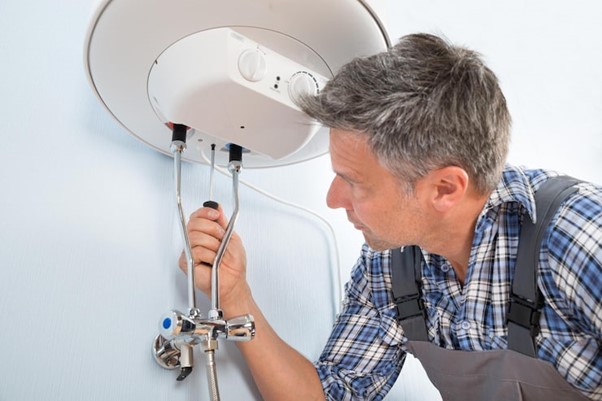
Morning showers are supposed to wake people up gently, not with freezing water hitting the back like a punishment. That sudden shock usually means one thing. The Electric Water Heater has started acting up.
Most heaters do not fail all at once. Small warning signs appear first. Water heats more slowly. Strange sounds come from the tank. Temperature changes become random. Many homeowners ignore these signs until the system stops completely.
Electric water heaters work hard every day, especially in busy homes across the UAE. Heat, mineral buildup, and constant use slowly wear the parts down. A little maintenance helps a lot. Ignoring problems? That gets expensive fast.
No Hot Water Coming from the Heater
Cold water is the biggest complaint people have with an Electric Water Heater. In many cases, the problem is connected to power supply issues or damaged internal parts.
A failed heating element is common. Thermostats also stop working after years of use. Sometimes the circuit breaker trips quietly and nobody notices until shower time becomes miserable.
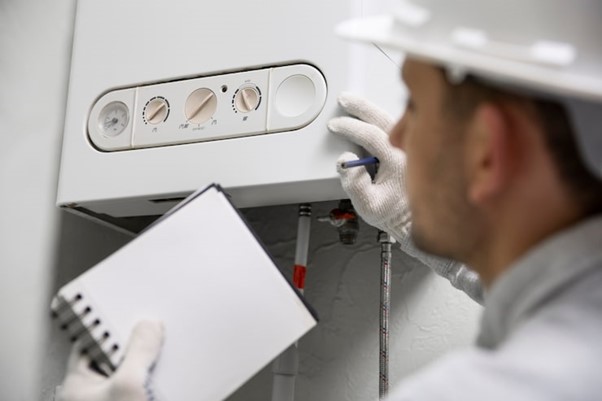
Check these areas first:
Many technicians say thermostat failure causes more heater shutdowns than people expect. The part is small, but once it fails, the heater struggles to warm anything properly.
A reset button fix may solve the issue temporarily. If hot water still does not return, a professional inspection becomes necessary.
Water Takes Too Long to Heat
Slow heating often starts quietly. A shower that once heated in minutes suddenly takes much longer. Days pass. Then weeks. Eventually the system barely keeps up.
Hard water minerals usually cause this problem. Sediment settles inside the tank and creates a thick layer around the heating element. The heater works harder while producing less hot water.
Many UAE maintenance companies report sediment buildup as one of the leading reasons for reduced heater efficiency in apartments and villas.
Tank flushing helps remove these mineral deposits. A yearly flush improves performance and lowers energy waste too.
Some homeowners skip maintenance for five or six years. Honestly, the inside of those tanks can look terrible.
Water Is Too Hot or Too Cold
Temperature changes that make no sense usually point to thermostat trouble. One day the water feels barely warm. The next day it feels dangerously hot. Faulty thermostats lose accuracy over time and start heating unevenly.
The safest setting for most homes stays around 120°F. Higher settings increase electricity use and raise burn risks, especially for children.
An experienced plumber once explained that overheating problems often appear after homeowners raise the thermostat too high during the winter months and forget to lower it later.
Small adjustment. Big difference.
Strange Sounds Inside the Tank
Rumbling sounds from an Electric Water Heater should never be ignored completely. Those noises usually happen because sediment hardens at the bottom of the tank. Water gets trapped under the buildup while heating. Pressure bubbles form and create cracking or popping sounds.
Older heaters become noisier because the mineral layer thickens over time.
These warning signs matter:
Flushing the heater often solves the problem early on. Persistent noise after cleaning may suggest overheating damage inside the unit.
Water Leaking Around the Heater
Leaks create bigger trouble than most homeowners expect. Water damage spreads fast around walls, flooring, and nearby electrical systems.
Not every leak means the heater is ruined though. Loose pipe fittings are common. Pressure relief valves can also drip when pressure rises too high. Tank corrosion is the serious one. Once rust eats through the inner tank lining, replacement is usually unavoidable.
A Dubai property maintenance report found that older electric water heaters above eight years old showed the highest leak rates due to internal corrosion damage. A tiny leak today can become a flooded utility room next month.
Rusty Water or Bad Smells
Brown water coming from hot taps often means corrosion inside the tank.
A worn anode rod usually causes this issue. The rod protects the tank by attracting corrosive minerals first. Once it wears out completely, the tank itself starts rusting.
Some heaters also develop a rotten egg smell because bacteria grow inside stagnant hot water. Replacing the anode rod and flushing the tank helps in many cases. Persistent rust usually signals more serious internal damage.
Repair or replace?
Electric Water Heater Repair is a good idea if the problem is heating elements, thermostats or small electrical problems.
Replacement is smarter when:
Generally newer heaters are more efficient and use less power than older heaters that are working hard to heat due to mineral buildup.
Conclusion
Electric Water Heater issues are seldom small issues for long. A lack of adequate heating, noises, leaks, and fluctuations in temperature typically gets worse the longer they go without attention. The flushing, thermostat inspections and rapid repairs help to prolong the life of the heater and minimize unscheduled breakdowns. Professional inspection can also help identify issues that may be concealed until they become a costly emergency. By having a handyman help maintain your water heater, you can ensure that it will remain safe, efficient and effective year-round.
FAQs
1. What causes an Electric Water Heater to stop heating?
Faulty heating elements, thermostat failure, or power supply issues are the most common causes.
2. Why does my electric water heater make rumbling sounds?
Sediment buildup inside the tank usually creates popping or rumbling noises during heating.
3. How often should an Electric Water Heater be cleaned?
Most heaters should be flushed once every year to remove mineral deposits.
4. Why is my hot water suddenly too hot?
A damaged thermostat or incorrect temperature setting often causes overheating problems.
Leave A Comment
Your email address will not be published. Required fields are marked *